The kundalini activation process has moved from quiet wellness studios into the mainstream conversation about energy healing. Social media, word of mouth, and a growing interest in holistic practices have all contributed to its popularity. At its core, KAP is a direct energy transmission designed to activate the dormant life force energy that is believed to rest at the base of the spine. For many people, the experience is profound, offering spontaneous movements, emotional release, and a sense of connection to something larger than themselves.
What Is the Kundalini Activation Process?
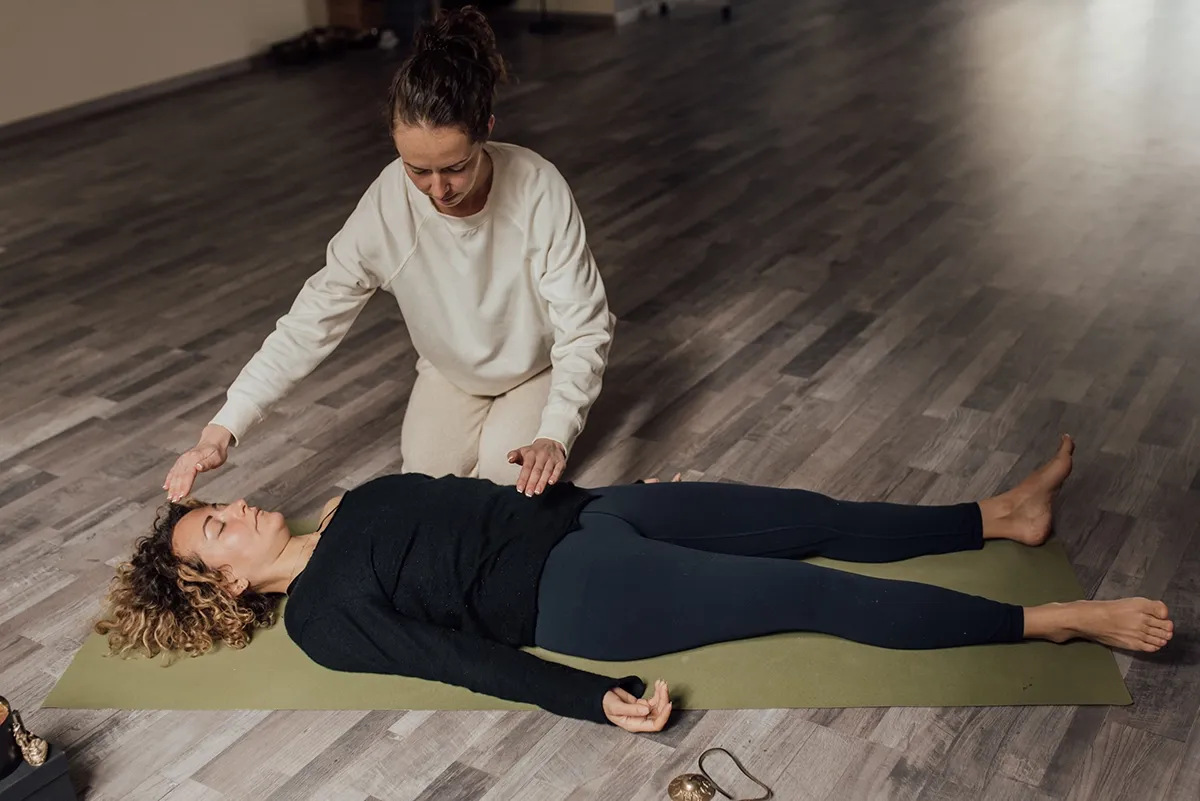
KAP is a direct energy transmission that activates the process of Kundalini awakening. In a session, a facilitator transmits life force energy to a recipient, who typically rests on a mat. Unlike many energy practices that rely on guided visualization or physical postures, the kundalini activation process does not require exercises of any kind. Instead, the energy is allowed to flow and move freely through the body, going exactly where it is needed at that moment.
The concept of Kundalini comes from ancient spiritual traditions, where it is described as a dormant energy at the base of the spine. When this energy awakens, it is said to travel upward through the energy centers of the body, creating shifts in awareness, emotion, and physical sensation. KAP is a modern expression of this idea, offering a direct transmission that can initiate the awakening process without years of preparatory practice.
Who Founded the Kundalini Activation Process?
The kundalini activation process was founded by Venant Wong, who discovered he could transmit life force energy to others. Wong's early demonstrations drew attention because participants responded in ways that were difficult to explain. People who had never practiced meditation or energy work would suddenly experience spontaneous movements, emotional waves, and altered states of awareness simply by lying on a mat while Wong activated them.
Since its founding, the kundalini activation process has attracted growing attention in the wellness community. KAP has gained popularity across social media and the modern wellness world, with facilitators continuing to offer the process to new audiences.
What Happens During a KAP Session?
In a typical session, participants lie down on mats, often in a group setting. A facilitator transmits energy to the group. Reports from early KAP events describe participants dancing, shaking, convulsing, smiling, and grimacing without conscious effort. Some people remain quiet and still, while others move through dramatic physical expressions.
Because no exercises are performed, the body is free to respond spontaneously. The energy moves where it is needed, and the experience is different for every person. Some people describe the process as cathartic, releasing emotions they did not realize they were holding. Others report deep insights or realizations that shift the way they see their lives. These responses are considered natural expressions of the activation process rather than goals to be achieved.
Reported Benefits of the Kundalini Activation Process
Practitioners and participants report a range of benefits from regular KAP sessions. A few of the most commonly described effects include:
- Spontaneous movement that releases physical tension and stored stress
- Emotional release that brings a sense of lightness or relief
- Deep insights and realizations about patterns, relationships, or life direction
- A growing sense of connection to the body and its inner intelligence
- Shifts in energy levels, sleep, and overall wellbeing
According to the KAP Academy, a profound rewiring of the brain structure and central nervous system happens with continued exposure to the process. This suggests that the benefits may deepen over time, as the nervous system adapts to the new patterns of energy flow. Every symptom or sign of a kundalini awakening, from the earliest signs to the later end manifestations, is seen regularly in participants.
Physical and Emotional Signs of Activation
Because the kundalini activation process works with the nervous system, the signs of activation can show up in many ways. Physical signs may include involuntary movements, trembling, shaking, and changes in breathing. Emotional signs can include sudden releases of tears or laughter, waves of calm, or a feeling of lightness. Some people experience visual imagery, memories, or a sense of expanded awareness.
It is important to understand that these signs are not considered problems to be fixed. In the KAP framework, they are evidence that the energy is moving and that the body is integrating the activation. With continued sessions, many participants notice that the intensity settles and the shifts become more integrated into daily life.
The Conversation Around KAP in the Wellness Community
The rise of KAP has not been without debate. Some traditional Kundalini practitioners question whether the process produces a genuine kundalini awakening. One Kundalini Yoga teacher, Reiki healer, and energy therapist has argued that KAP is not a true kundalini awakening, pointing to differences between the modern practice and traditional understandings of the awakening process.
These perspectives are worth considering as you explore the practice. KAP is marketed as a direct, effortless way to awaken Kundalini energy, and it promises spontaneous movements, emotional releases, and even spiritual enlightenment. At the same time, traditional teachings often describe kundalini awakening as a gradual, deeply personal process that unfolds over time. Both views can coexist: KAP may be a powerful entry point, while a full awakening may continue to develop beyond any single session.
Preparing for Your First Session
Your first KAP session is a chance to experience the process without expectations. Wear loose, comfortable clothing that allows you to move freely, since spontaneous movement is common. You will lie on a mat, and the facilitator will begin the transmission. There is nothing you need to do or achieve. The energy does the work, and your only responsibility is to allow whatever arises.
After the session, take time to rest and integrate. Some people feel energized, while others feel deeply relaxed. Because the nervous system has been engaged, it can help to keep your schedule light afterward. If you have questions about how to care for yourself after a session, your facilitator is the best resource.
Is the Kundalini Activation Process Right for You?
The kundalini activation process is not a medical treatment, and it is not intended to replace professional healthcare. It is best understood as a complementary practice for people who are drawn to energy healing and holistic wellbeing. If you are facing health challenges, life transitions, or burnout, KAP may offer a different way to connect with your body and release what no longer serves you.
Before attending a session, consider speaking with the facilitator about your history and any concerns you have. A good facilitator will welcome questions and help you understand what to expect. Arrive with an open mind, wear comfortable clothing, and give yourself permission to respond however your body needs to respond. The process is not about performing the right reaction.
Frequently Asked Questions
Is the kundalini activation process real?
The kundalini activation process is a real practice offered by facilitators worldwide, and many participants report genuine physical and emotional responses during sessions. Reported effects include spontaneous movements, tears, laughter, and deep insights. Research on energy healing continues to evolve, so the experience is often described in deeply personal terms. If you are curious, attending a session with a qualified facilitator is the best way to understand it for yourself.
What happens during a kundalini activation?
In a typical session, participants lie down on mats while a facilitator transmits energy. No exercises are performed. The energy is allowed to flow freely through the body, moving where it is needed. Spontaneous movements often arise, including shaking, dancing, convulsing, smiling, or grimacing. Some people remain perfectly still, while others experience emotional releases, vivid insights, or a profound sense of peace.
How do you know if your kundalini is activated?
People describe a range of sensations during and after activation, including spontaneous movement, emotional release, and shifts in awareness. Facilitators note that every sign of kundalini awakening, from early symptoms to later manifestations, appears regularly in participants. Because experiences vary widely, there is no single checklist that fits everyone. A qualified facilitator can help you understand what you are experiencing and how to integrate it into daily life.
Do I need experience with energy work to try KAP?
No prior experience is required. KAP is considered a direct transmission, meaning the facilitator initiates the energy flow rather than the participant. Beginners often attend sessions without any meditation or yoga background. Everyone responds differently, so it is helpful to arrive with an open mind and let your body guide the experience. Speak with your facilitator about any questions before your first session.